 by
by When I was a child, a huge part of my life was play. I spent as much time as possible outdoors with my friends, inventing new games, getting into mischief. But through the years, that dynamic has changed. No longer will playgrounds support my adult-sized body. My days are far too busy (?) for a game of cops and robbers. And mischief? I don’t want to get into legal trouble.
I was about to go off on a whole thing about how being an adult sucks the joy out of life and how non-existent play is in our lives, but upon further inspection, I realize that perspective is overly pessimistic and not entirely accurate.
If you’re creative and your mind is open, I think you can find play everywhere. Play is exploring a new city you’ve never been to, going for a walk in the woods, traveling to a different country, making art, flirting, partying, dancing, telling jokes, I mean, the options are essentially endless.
But maybe I’m just defining “play” too broadly. What does it mean to play?
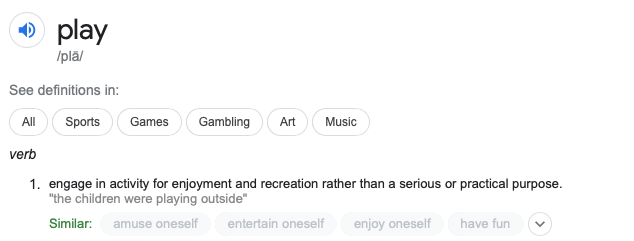
If we attempt to, we can easily add play to our lives, but I would also argue the way we construct and design our built environment is not exactly conducive to this type of lifestyle. A lot of this, in my opinion, is a failure in the field of urban design. The way a city is built and designed can impact people’s lives in very dramatic ways, and if we do not prioritize enjoyment for enjoyment’s sake, then we sure as hell are not going to make our spaces fun places to be.
Remember those boring plastic playground structures that you (maybe) used to play on as a child? They had such a prescribed path. There were only so many different ways you could interact with the structure. Essentially you had no other choice but to do the same couple things over and over again until you got bored and stopped.
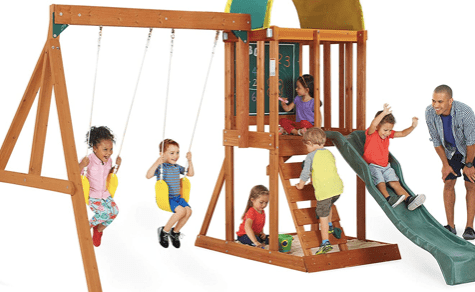
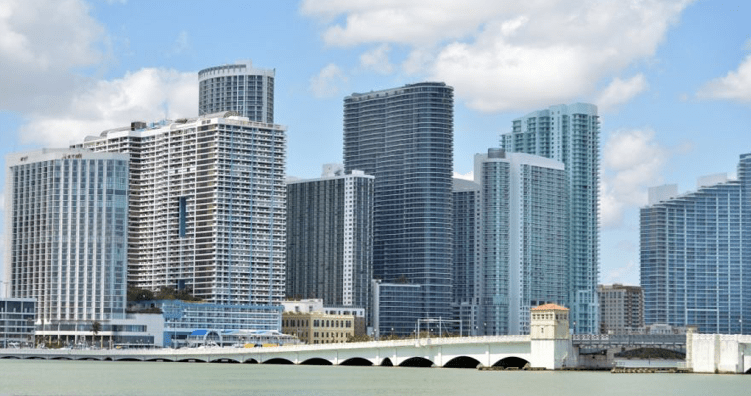
I think many cities and towns are built in this same fashion. They offer you a very specific path (a line of square sidewalks) leading to specific stretches of buildings (3D squares) where you spend money (rectangle papers) on useless junk to fill up your square house. This is quite similar to the strict structure of these types of playgrounds. What do we do when we get bored of it all and want to stop?
Well, there are also playgrounds that have way less structure. Kids can experiment with a variety of different paths. They don’t have to adhere to the one that the designer intended. These spaces allow the user to figure out how they want to use it instead of only being able to choose between a few different options.
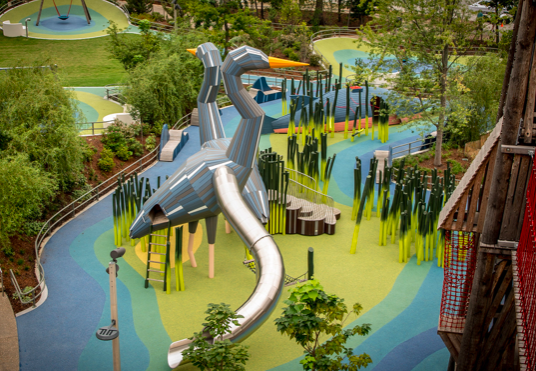
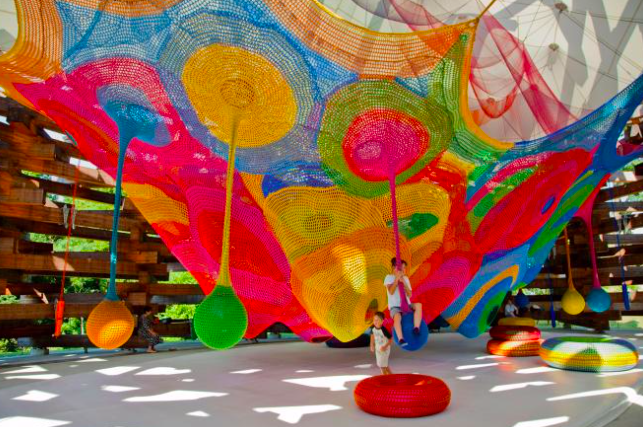
Now imagine if cities were built in this way. Imagine if we had more freedom to interact with our environment and creativity was just a built-in part of our lives? I think it would be cool if people could interact with every structure, and the infrastructure was also able to change and develop overtime instead of remaining so … stagnant.
I think humans built (and continue to build) cities and towns to organize the chaos of the natural world. But when it’s designed out entirely, our lives can easily become as dull and lifeless as the structures we surround ourselves with. Although it’s much easier for our brains to conceptualize straight lines and boxes than the beauty of chaos, the magic of our world is diminished when we rid ourselves of chaos entirely.
 tori's thoughts
Leave a comment